
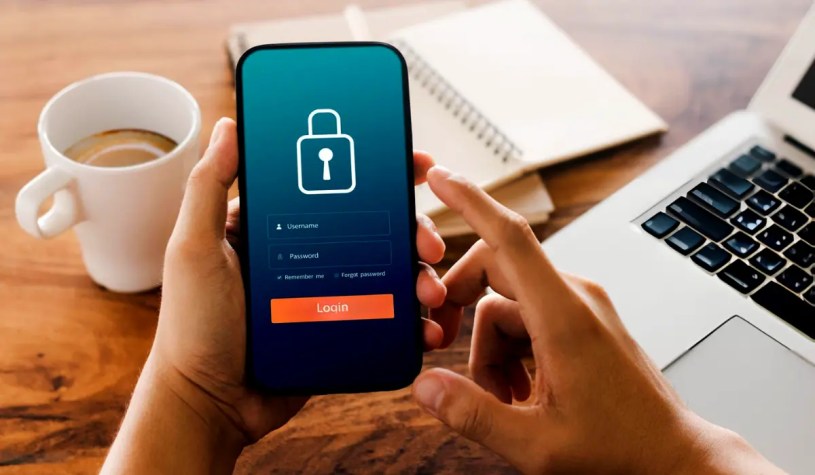
Think about everything you did on your phone before breakfast. You checked a balance, ordered a coffee, maybe sent money to a friend, and booked a ride for later. Every one of those small moments ran through an app, and every app is a door that someone else may be trying to open. That’s why application security has stopped being a specialist topic and become an everyday business concern.
Modern apps hold payments, health records, identities, and private conversations, and attackers know it. This article looks at why apps have become such attractive targets, what typically goes wrong, and how teams can build protection that doesn’t slow them down.
Apps Are the New Front Door
A decade ago, a company’s most valuable systems sat behind a firewall in a server room, and customers walked into a branch or a shop. Today the app is the branch, the shop, and often the only relationship a customer has with the brand. That shift moved the risk with it.
Attackers don’t need to break into a data center when they can simply download your app, pull it apart on their own laptop and study it at leisure. They can run it on a modified phone, watch its network calls, and try thousands of stolen passwords against it overnight. The app lives on devices you don’t control, and that single fact changes almost everything.
Modern Apps Have More Moving Parts Than Ever
Nobody builds an application entirely from scratch anymore. A typical app is a stack of open-source libraries, third-party SDKs for analytics and advertising, cloud services, and a web of APIs tying it all together. Each piece speeds up development, and each one adds somewhere for things to go wrong.
A vulnerable library buried three levels deep can put a whole product at risk, and the team shipping the app may not even know it’s there. Add fast release cycles, distributed teams, and several platforms, and it’s easy to see how security checks get squeezed into the last week before launch, or skipped altogether.
What Usually Goes Wrong
Most breaches don’t involve movie-style hacking. They come from ordinary mistakes made under deadline pressure.
- Weak authentication and access control: Sessions that never expire, or features that trust the user’s device to decide what the user is allowed to do.
- Careless data storage: Tokens, keys, or personal details left in plain text on the device, in logs, or in backups.
- Hard-coded secrets: API keys and credentials embedded in the code, where anyone with a decompiler can find them.
- Insecure communication: Traffic that can be intercepted or altered because certificates aren’t verified properly.
- Tampering and cloning: Attackers repackage an app with malicious code or strip out license checks, then distribute the copy.
- Unpatched components: Known flaws in libraries that nobody remembered to update.
None of these are exotic, which is precisely why they’re so common.
Security Works in Layers
Here’s where many teams go wrong: they hunt for a single product that will “handle” security. Real application security looks more like a set of habits and overlapping safeguards. Secure coding standards reduce mistakes at the source. Automated scanning catches vulnerable dependencies and obvious flaws in every build.
Penetration testing finds what the tools miss. Protection inside the shipped app, such as code hardening and runtime checks, raises the cost for anyone trying to tamper with it. Monitoring tells you when something unusual is happening in the wild. No layer is perfect, but together they make an attack slow, noisy, and expensive, and most attackers will move on to an easier target.
The Business Case Is Bigger Than the Breach
It’s tempting to think of security as insurance against a headline-making incident, but the everyday costs add up faster. Fraud eats into revenue. Fake or modified copies of an app damage your reputation and flood support teams with confused users.
Regulators expect proper safeguards under rules such as GDPR, PCI DSS, and HIPAA, and the penalties for falling short are real. Then there’s trust. People forgive a bug; they rarely forgive losing their savings or private data. Once they leave, they seldom return, and app store reviews make sure others hear about it.
Security Is Also a User Experience Issue
Security shapes how customers feel, too. A clumsy login flow pushes people toward shortcuts like reused passwords, while a well-designed one, using biometrics or trusted devices, protects them without adding friction. The best protection is often invisible: the user never sees the attack that didn’t work. That’s worth remembering when security and speed seem to pull in different directions. Teams that treat them as opponents end up with either a fortress nobody wants to use or an open door nobody noticed. Teams that design them together ship apps people trust and enjoy, and that trust turns into retention, better reviews, and fewer late-night emergencies.
Where to Start
If your team is starting from a low base, don’t try to fix everything at once. Work through it in order.
- Know what you have: List your apps, APIs, libraries, and third-party SDKs.
- Fix the obvious: Remove hard-coded secrets, encrypt stored data, and enforce secure connections.
- Automate checks: Add dependency and code scanning to every build.
- Test like an attacker: Schedule regular penetration tests, including on rooted or modified devices.
- Protect the shipped app: Add hardening and runtime protection to high-risk apps.
- Plan for incidents: Decide in advance who does what when something goes wrong.
Final Thoughts
Modern apps carry too much value to be treated as an afterthought. Security works best when it’s built into how software is designed, tested, and released, not bolted on afterward. Start with the basics, layer your defenses, and keep improving, because the threats certainly will. For teams that need protection built specifically for mobile apps, providers such as Doverunner offer app shielding and runtime defenses that fit alongside existing development workflows. The goal isn’t a perfect app. It’s an app that’s hard enough to attack that criminals look elsewhere, and customers never have to wonder whether it’s safe.

