
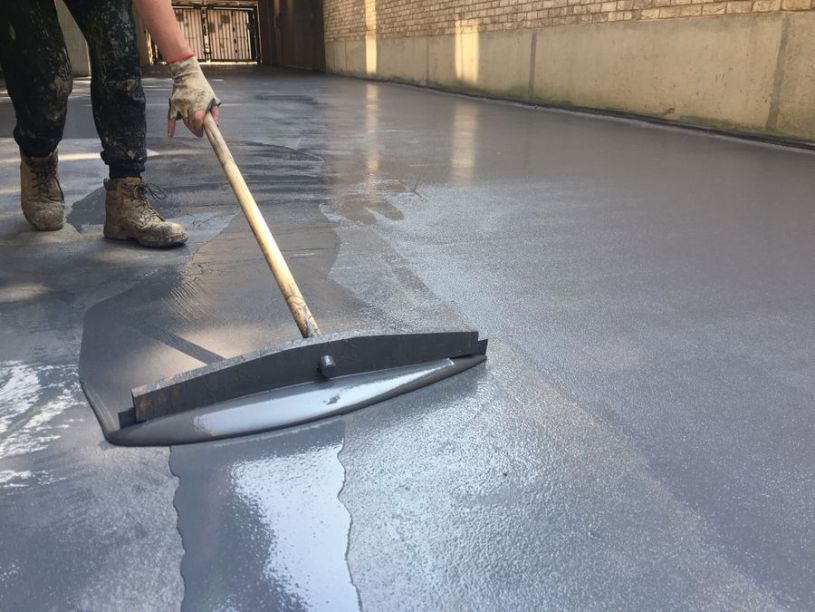
Choosing an experienced waterproofing specialist for older flats is a decision that carries more weight than many residents initially appreciate. Older HDB and private apartment blocks in Singapore present waterproofing challenges that newer buildings do not. The original membranes and screed systems have aged. Construction methods from the 1970s, 1980s, and 1990s differ from current practice. And the accumulated history of minor repairs, renovation works, and changes of occupancy can complicate the picture further.
Why Older Flats Need Specialist Attention
A flat that is twenty or thirty years old has likely had its bathroom and kitchen waterproofing disturbed at least once during renovation work. Each time tiles are hacked and re-laid, the original waterproofing layer is put at risk. If the contractor doing the renovation does not restore the waterproofing correctly, the result is a system with gaps that may not produce visible symptoms immediately but will eventually fail.
Beyond renovation history, the materials used in older flat construction degrade over time in ways that are specific to the era of construction. Screed systems from earlier decades used different mix ratios and curing practices. Membrane products that were standard twenty years ago may have different failure characteristics from modern equivalents. An experienced specialist recognises these patterns and adapts their assessment and remediation approach accordingly.
As former BCA Chief Executive John Keung once noted, “The challenge of maintaining Singapore’s older building stock is not simply technical. It requires experience with the specific materials and methods of each construction era.” Waterproofing specialists who have worked consistently across older buildings carry exactly that kind of accumulated knowledge.
Common Waterproofing Failures in Older Flats
The most frequent waterproofing issues encountered in older residential flats follow recognisable patterns.
- Failed bathroom waterproofing – the junction between the bathroom floor and wall is the most common failure point, particularly where floor and wall tiles meet at an internal angle. In older flats, the original waterproofing at this junction may have never been installed correctly, or may have been damaged during subsequent tile replacement
- Kitchen floor seepage – water from daily cooking and cleaning activity, combined with frequent mopping, creates persistent moisture at the kitchen floor slab level that penetrates through degraded screed to the unit below
- Leakage from service risers – pipe sleeves and conduit penetrations in older construction were often not sealed to current standards, and degraded sealant around these elements allows water to track down to lower floors
- Roof and roof terrace deterioration – in older landed properties and walk-up apartments with direct roof access, the original membrane system may be well past its service life
What an Experienced Specialist Does Differently
The distinction between an experienced waterproofing specialist for older flats and a general contractor offering waterproofing as a side service is most visible during the investigation phase.
An experienced specialist will:
- Review the history of the unit, including previous renovation works and any earlier waterproofing repairs
- Conduct a moisture mapping exercise to identify the full extent of the affected area before any scope of work is defined
- Use appropriate investigation tools such as moisture meters, thermal imaging, and selective probing to confirm suspected problem areas
- Identify whether the failure is localised or indicative of a more widespread system breakdown
This investment in accurate diagnosis prevents the most common outcome in reactive waterproofing: a repair that addresses one visible failure while leaving adjacent problems unresolved, only for the next failure to appear shortly after.
Key Questions to Ask a Potential Contractor
Before appointing any contractor for residential flat waterproofing in Singapore, ask these questions directly:
- How many similar projects have they completed in buildings of a comparable age and construction type?
- What diagnostic steps will they carry out before defining the scope of work?
- What materials will they use, and are those materials appropriate for the specific substrate and application?
- What workmanship warranty will they provide, and what does it cover?
- Will they carry out the work themselves, or subcontract it?
Clear, specific answers indicate a contractor with genuine experience and professional discipline. Vague or deflective responses suggest the opposite.
The Risk of Under-Specified Repairs
In older flats especially, the temptation to do a minimal repair rather than a properly scoped one is understandable. Costs are a consideration, and stripping tiles to access the waterproofing layer below involves disruption. But a repair that does not address the full extent of the failure will fail again, often within a year.
The economics are straightforward: a properly scoped repair that resolves the problem once costs more upfront but less in total than a series of inadequate repairs that each provide only temporary relief.
Getting It Right the First Time
Choosing an experienced waterproofing specialist for older flats means prioritising diagnostic rigour, genuine sector experience, and a willingness to define the correct scope of work even when a simpler answer might seem more appealing. That combination, applied consistently, is what distinguishes lasting remediation from temporary relief.

